A Place for Sport Policy.
The Center for Sport Policy and Conduct is a resource for those who are interested in the topics centered around the issue of managing sport experiences to mitigate the broad issue of sport-related violence. Contained within the center site is a vast array of resources that include an examination of the causes of and relationships in the sport context that give rise to violence, and discussion about issues and solutions that can improve sport experiences. The Center is one of the Champions designated by the National Youth Sport Strategy through the Department of Health and Human Services, and, as such, materials located within this site are resources for further support of a non-violent sport world.
We are NYSS champions.
The U.S. Department of Health and Human Services (HHS) developed the National Youth Sports Strategy (NYSS) to unite U.S. youth sports culture around a shared vision: that one day, all youth will have the opportunity, motivation, and access to play sports — regardless of their race, ethnicity, sex, ability, or ZIP code.
Current Blogs
Here are the most recent stories and blogs from our writers and guests at the Center for Sport and Policy.
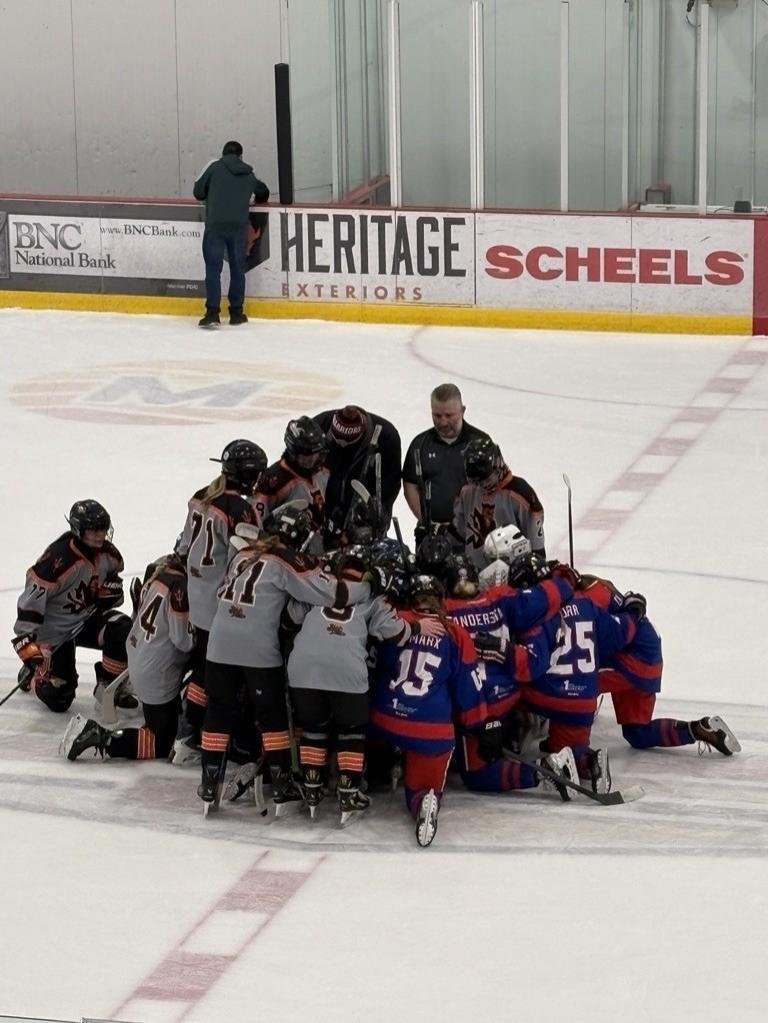
Receiving criticism is an uncomfortable and oftentimes painful experience, yet it is one of the most important ways we grow and reach the goals we want to achieve. Even giving criticism to other people, especially if you know them very well and care about them, can be an uncomfortable feeling because you don’t want to hurt their feelings. But is it better not to receive criticism or not hand out criticism, and only receive and hand out praise, if it impedes on the growth of an athlete trying to become the best that they can be? That is where criticism, or negative feedback in the context of sports, can actually be valuable. But when negative feedback is delivered in a disrespectful way, or the content of the feedback itself is belittling and does not point specifically at what needs to be improved, then that is where problems can emerge. Essentially, what we say and how we say impacts how criticism is received and can negatively impact an athlete’s performance in different ways. This article will articulate the best practices that coaches, teachers, parents, teammates and all stakeholders can utilize when in a situation where criticism may be warranted.
When performing in a sport, a musical recital, or a test, it is natural to want to do one’s best. In order to do that well, one must be at their “optimal level of arousal” (Weinberg 392). The optimal level of arousal refers to the emotional state an individual is at to achieve their peak performance. While it is normal for one to tense up before a game, or for their levels of anxiety to increase when competition rises, this cannot go unchecked because it can be harmful to the player’s ability to perform well. Many athletes are not taught how to recognize their level of arousal in sports. Many coaches are not adequately trained on how to increase or decrease their player’s levels of arousal. In order to perform their absolute best, to truly find the “Eye of the Tiger”, an athlete must be at their optimal level of arousal.